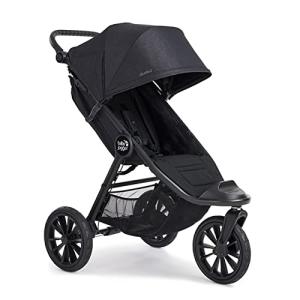
A Peek Into Pushchairs's Secrets Of Pushchairs
A Comprehensive Guide to Prams and Pushchairs in the UK
When it pertains to welcoming a brand-new member to the household, the right gear can make a world of distinction. For new parents in the UK, choosing between a pram and a pushchair can be a daunting task. This helpful guide will stroll you through the distinctions between prams and pushchairs, the various types available, key functions to consider, and a handy FAQ section to address typical queries.
Understanding Prams and Pushchairs
Prams
Prams, often described as “baby carriages,” are developed mostly for babies. They usually include a flat, reclining seat that allows newborns to lie down in a comfy position. This makes them suitable for babies from birth till they reach around six months when they can sit upright.
Pushchairs
Pushchairs, on the other hand, are more flexible and are developed for a little older babies and young children. They typically have a more upright seating position and are meant for kids who can stay up on their own. Pushchairs frequently come with extra functions like adjustable seats and canopies, making them appropriate for numerous parenting needs.
Function
Prams
Pushchairs
Age Range
Newborn to 6 months
6 months to young child
Seating Position
Totally reclining
Upright
Mobility
Normally heavier
Typically lighter
Weight Limit
Varies (as much as 15 kg)
Varies (up to 25 kg)
Accessories
Restricted
More adjustable
Kinds of Prams and Pushchairs
When searching for prams and pushchairs, it's necessary to comprehend the various types available:
1. Standard Prams/Pushchairs:
- Description: Basic models frequently include rear-facing or forward-facing seats. They are an excellent choice for parents who want something simple and practical.
- Suitable For: Families looking for a budget friendly alternative for everyday use.
2. Travel Systems:
- Description: A mix of an automobile seat and a pushchair, frequently offered as a bundle. Travel systems allow simple shift from cars and truck to pram without disturbing the baby.
- Suitable For: Parents who regularly travel or need a versatile, all-in-one option.
3. Convertible Prams/Pushchairs:
- Description: These designs can transform from a pram for babies to a pushchair for older children. They normally enable different setups.
- Ideal For: Growing households desiring a long-lasting investment.
4. Umbrella Strollers:
- Description: Lightweight and compact pushchairs that can be folded up easily. No frills however extremely portable.
- Ideal For: Parents on the go trying to find a convenient option for fast trips.
5. All-Terrain Strollers:
- Description: Strollers designed for rough surface, typically featuring large wheels and strong frames.
- Perfect For: Active families who delight in outside experiences and need a robust stroller.
Type
Pros
Cons
Basic
Economical, functional
Less functions, might not be as flexible
Travel System
Convenient, no need to wake the baby
Can be bulkier
Convertible
Long-lasting financial investment, versatile
Usually costlier
Umbrella Stroller
Lightweight, highly portable
Limited functions and comfort
All-Terrain Stroller
Great for outdoors, resilient
Can be heavier and costlier
Secret Features to Consider
Picking the right pram or pushchair involves assessing a number of critical aspects:
1. Security Features:
- Look for 5-point harness systems, dependable brakes, and durable frames. Constantly examine security certifications.
2. Convenience:
- A padded seat, adjustable canopy, and suspension systems can boost your baby's convenience during strolls.
3. Ease of Use:
- Consider the weight, folding mechanism, and maneuverability of the pram or pushchair. Features like swivel wheels make navigation easier.
4. Storage Space:
- Check for under-seat storage baskets and additional compartments for carrying fundamentals like diapers, snacks, and toys.
5. Durability:
- Look for designs that can adjust as your child grows or that can be used for multiple kids in the family.
Frequently asked questions About Prams and Pushchairs
1. What is the distinction between a pram and a pushchair?
Prams are designed for newborns with a flat, reclining seat, while pushchairs are meant for older babies and toddlers with an upright seating position.
2. When should I shift from a pram to a pushchair?
A lot of moms and dads shift when their baby can sit up on their own, normally around six months of age.
3. Are travel systems worth the financial investment?
Travel systems can be easier if you drive regularly, as they enable for easy transitions in between the automobile and stroller.
4. What is the very best kind of stroller for city living?
A lightweight umbrella stroller or a compact travel system might be best for navigating busy streets and public transportation.
5. How do I preserve my pram or pushchair?
Routinely check for any loose parts, tidy the fabric and wheels, and shop it in a dry place to lengthen its life expectancy.
Choosing the best pram or pushchair is a vital job for brand-new moms and dads, and comprehending the differences can considerably affect your choice. With various types readily available, comprehensive features, and security factors to consider, moms and dads can confidently choose a model that fits their lifestyle and fulfills their baby's requirements. Whether Pushchairs And Prams 's a classic pram for a newborn or a multi-functional pushchair for an active toddler, purchasing a quality product can ensure numerous satisfying outings with your youngster. Delighted walking!